Doxy-PEP
$12
Doxycycline, also known as Doxy-PEP, a post-exposure prophylaxis helps prevent STIs such as syphilis, chlamydia, and gonorrhea up 80% The recommended dose is 200mg of doxycycline taken as soon as possible—and no later than 72 hours—after having condomless sex.
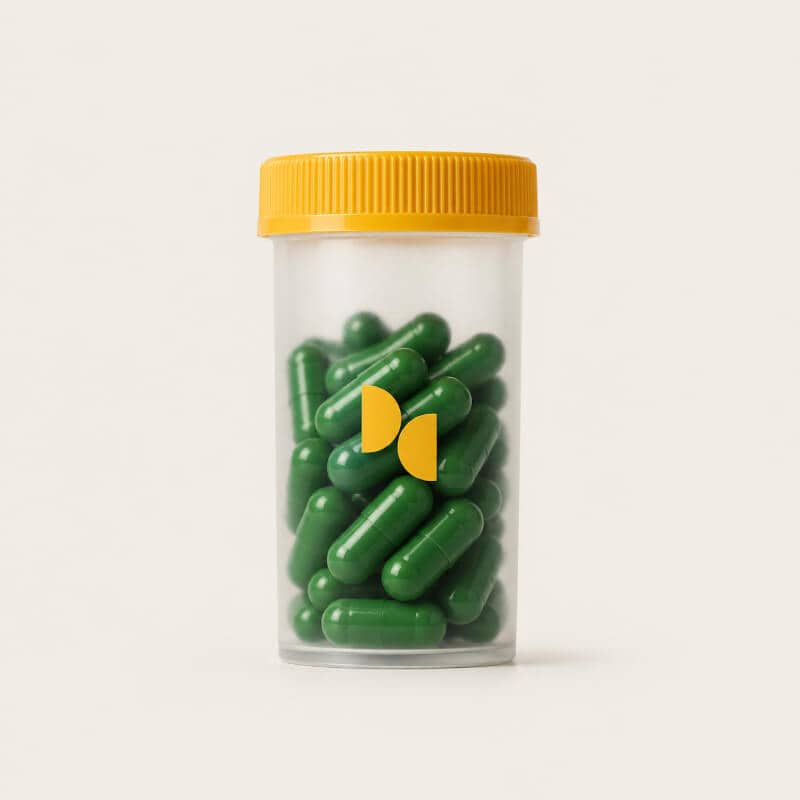
1 x 20 capsules of Doxycycline (100mg)
It is intended to reduce the risk of acquiring certain bacterial STIs, specifically:
- Chlamydia
- Gonorrhea
- Syphilis
Recommended Dosage & Frequency
- Dosage: 200mg of doxycycline (usually two 100mg tablets)
- Frequency: You can take doxycycline as often as every day, depending on your sexual activity and risk profile, but you should not exceed 200 mg in any 24-hour period. If you have sex again within 24 hours of taking doxycycline, you should take another dose 24 hours after your last dose
Doxycycline can also treat a variety of bacterial skin infections, including acne, rosacea, cellulitis, impetigo, and certain skin infections caused by MRSA. It works by reducing the number of bacteria on the skin and decreasing inflammation. Treatment of skin infections with doxycycline should always be done under the guidance of a healthcare professional.
Additional information
| Capsules | 30 capsules |
|---|